In this chapter, we will be learning about the classification and naming system of organisms. We will understand the need for this system and discuss the hierarchical classification of organisms into six kingdoms: Archaebacteria, Eubacteria, Protista, Fungi, Plantae, and Animalia. Next, we will study biodiversity and its concepts based on diversity in ecosystems, species, and genetics. We will also learn about the importance of phylogeny. Lastly, we will explore microorganisms and viruses. We will identify the main characteristics of microorganisms such as bacteria, protozoa, algae, fungi, and viruses. We will also discuss the role of microorganisms in the nitrogen cycle. By studying these topics, we will gain a better understanding of biodiversity and the importance of classification in the biological world.
• Explain the need for a system of classification and naming of organisms
• Describe the hierarchical classification of organisms in six realms: (i) Archaebacteria. (ii) Eubacteria. (iii) Protists. (iv) Fungi. (v) Plantae. (vi) Animalia
• Describe the main characteristics of organisms in each kingdom
• Describes the naming of organisms according to the Binomial Nomenclature System
• Construct dichotomous keys to classify organisms
• Synthesize the concept of biodiversity based on the diversity of: (i) ecosystems. (ii) species. (iii) genetics
• Explain the meaning of the phylogeny tree
• Justify the importance of biodiversity to the environment and humans
• Identify the main characteristics of microorganisms and viruses: (i) bacteria. (ii) protozoa. (iii) algae. (iv) fungi. (v) viruses
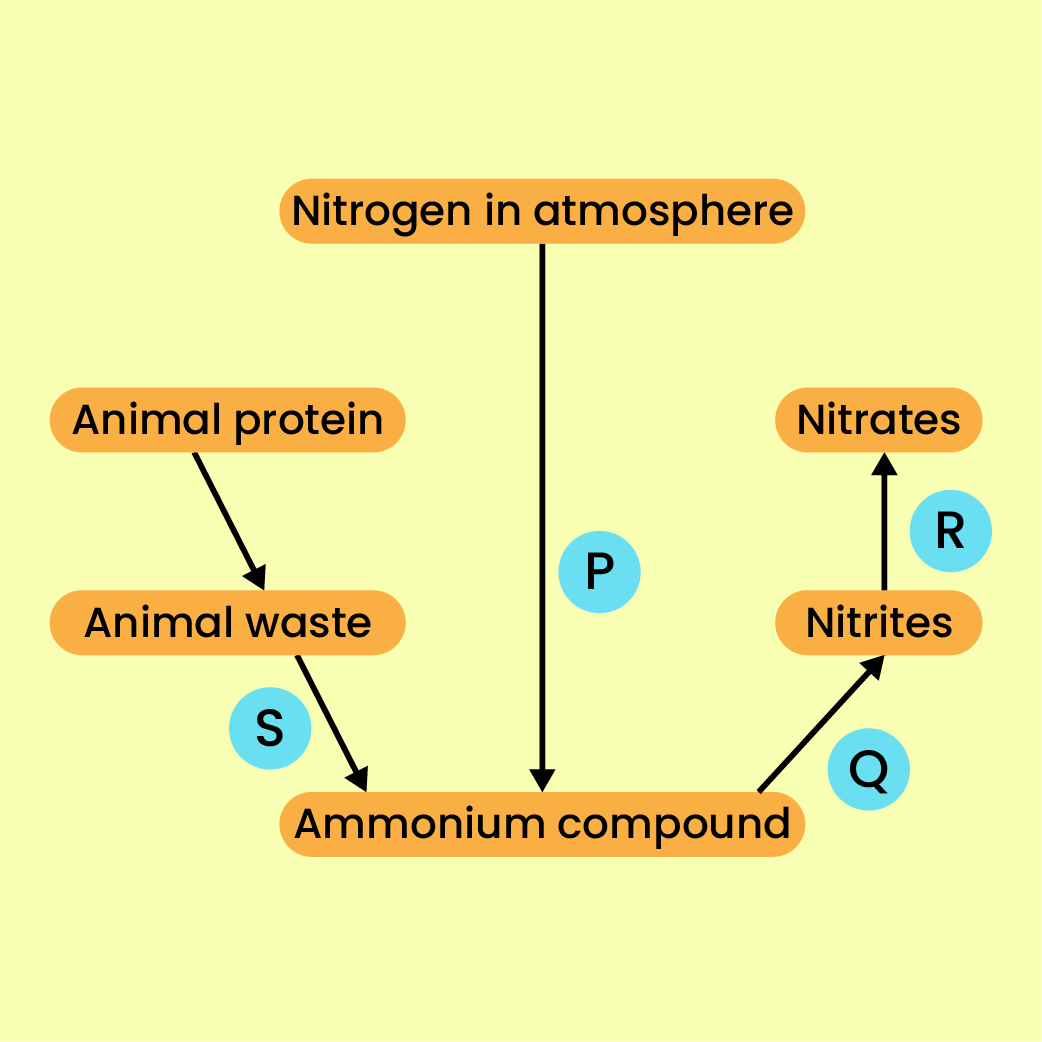
• Describe the role of microorganisms in the nitrogen cycle
• Describe the role of microorganisms as: (i) producers. (ii) decomposers. (iii) symbionts. (iv) parasites
• Define the terms: (i) pathogen. (ii) vectors
• Describe the effects of pathogens on human health

There is no chapter or topic to show