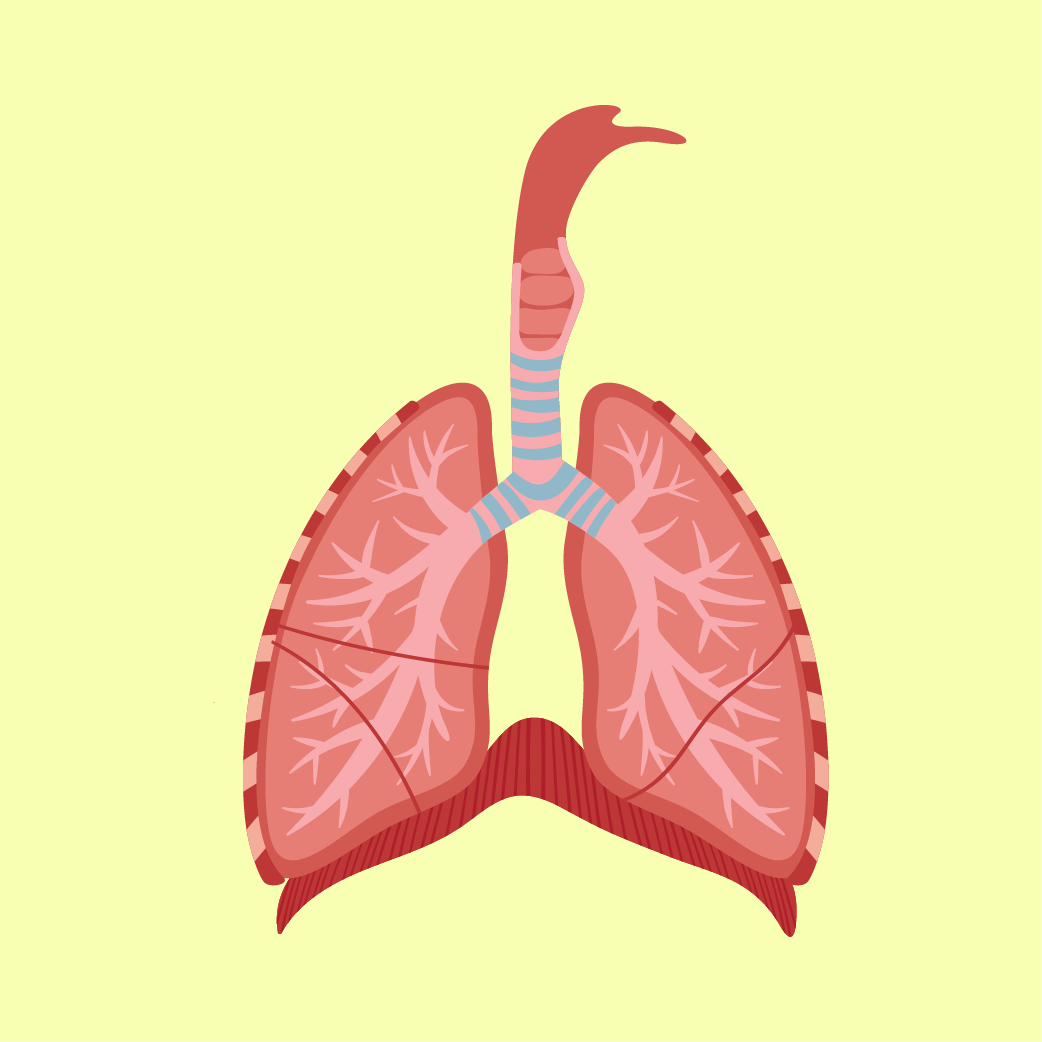
In this chapter, we learn about the respiratory system in humans and animals. We will start by identifying the respiratory structures in insects, fish, amphibians, and humans. We will also describe the adaptations of these structures and their functions for gaseous exchange in animals and humans. Next, we will compare and contrast the breathing mechanisms in humans and animals. We will learn about the different processes involved in gaseous exchange in humans, including the exchange of gases between the lungs and blood, the transport of respiratory gases from the lungs to tissues, the exchange of gases between the blood and tissues, and the transport of respiratory gases from tissues back to the lungs. Lastly, we will discuss health issues related to the human respiratory system, specifically focusing on the effects of Chronic Obstructive Pulmonary Disease (COPD) such as asthma, chronic bronchitis, and emphysema.
• Identify respiratory structures in: (i) insects. (ii) fish. (iii) amphibians. (iv) humans.
• Describe the adaptation of respiratory structures and their functions for gaseous exchange in: (i) animals. (ii) humans
• Compare and contrast respiratory structures in humans and animals
• Compare and contrast breathing mechanisms in humans and animals
• Communicate about external and internal respirations: (i) gaseous exchange between lungs and blood. (ii) transport of respiratory gases from lungs to tissues. (iii) gaseous exchange between blood and tissues. (iv) transport of respiratory gases from tissues to lungs
• Narrate the effects of Chronic Obstructive Pulmonary Disease (COPD) on the human respiratory system: (i) asthma. (ii) chronic bronchitis. (iii) emphysema

There is no chapter or topic to show