• Relate daily activities to Science
• Generalize the meaning of science
• Summarise the importance of science in everyday life.
• Describe the fields of Science.
• Communicate about careers in Science
• Relate subjects to be studied with science careers of interest
• Describe innovation in technology
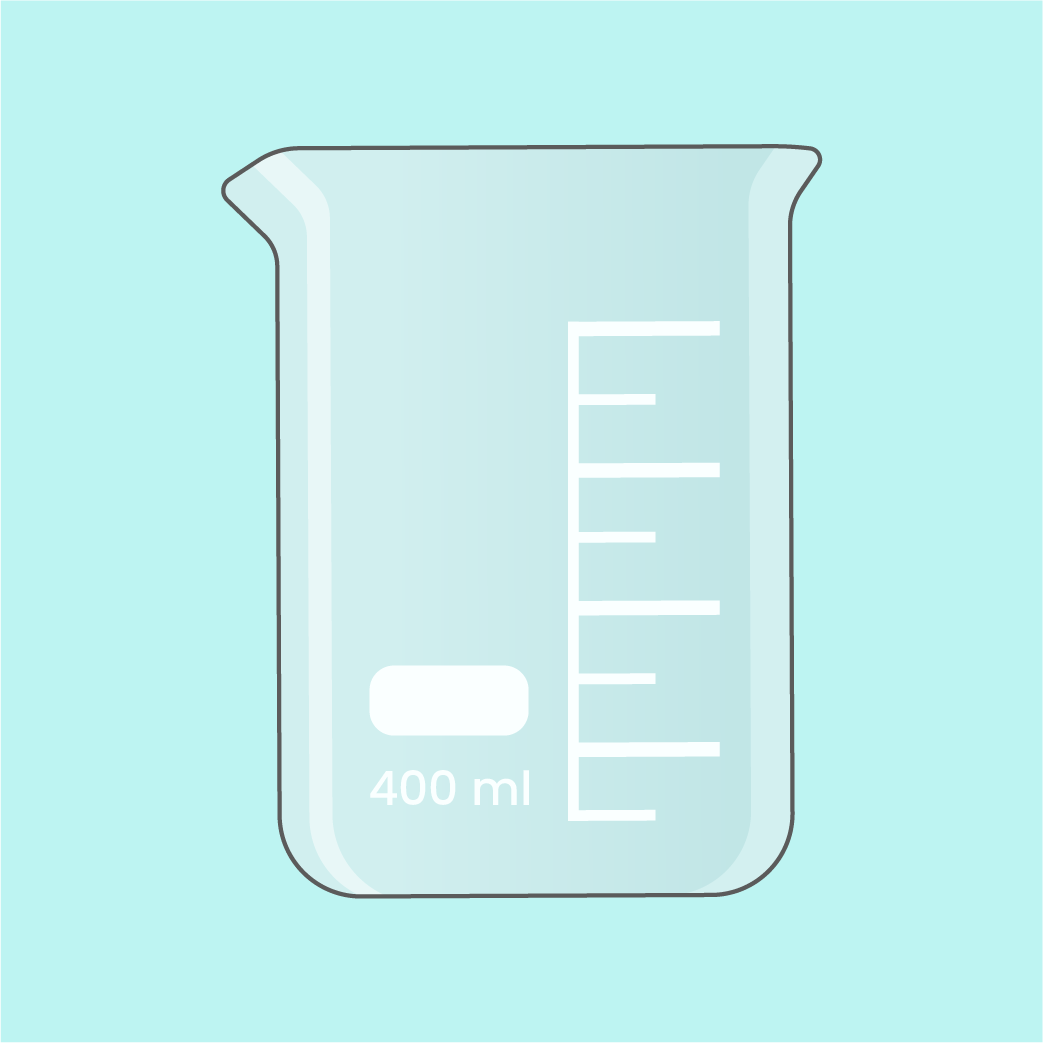
• Identify and state functions of the apparatus.
• Identify symbols and examples of hazardous materials in the laboratory.
• Draw and label apparatus commonly used in the laboratory and classify based on how it is used
• Justify the regulations and safety measures in the laboratory.
• identify and use the correct units for different physical quantities
• Identify the symbols and values of prefixes use in measurement
• Convert base quantity units for mass, length and time such as grams to kilograms, centimeters to meters, seconds to hours and vice versa
• Justify the importance of the use of S.I. units in daily life
• Use the right measuring instrument and use it in the right way, to measure accurately and consistently the quantities of length, mass, time, temperature and electric current.
• Use measuring instruments with higher accuracies and compare the measurements in terms of accuracy, consistency and sensitivity
• Explain how to overcome systematic errors and random errors
• Estimate the length, area, mass or volume of an object before taking actual measurements
• Explain with examples innovations of various types of measuring instruments through a multimedia presentation
• Arrange sequentially materials based on density
• Predict whether the materials will float and sink according to density
• Define operational definition of density
• Calculate density using formula (density = mass / volume) and water displacement method
• Explain the phenomena related to the density difference in everyday life
• Innovate objects, food or beverage using the concept of density
• Differentiate each science process skills
• Make a sequence on the steps of carrying out a scientific investigation in the correct order
• Conduct a scientific investigation to solve a simple problem
• Support scientific attitudes and values practiced by scientists
• Justify the need to practice scientific attitudes and values when carrying out an investigation
• Practice scientific attitudes and values while carrying out a scientific investigation

There is no chapter or topic to show