
5.1 Types of Responses
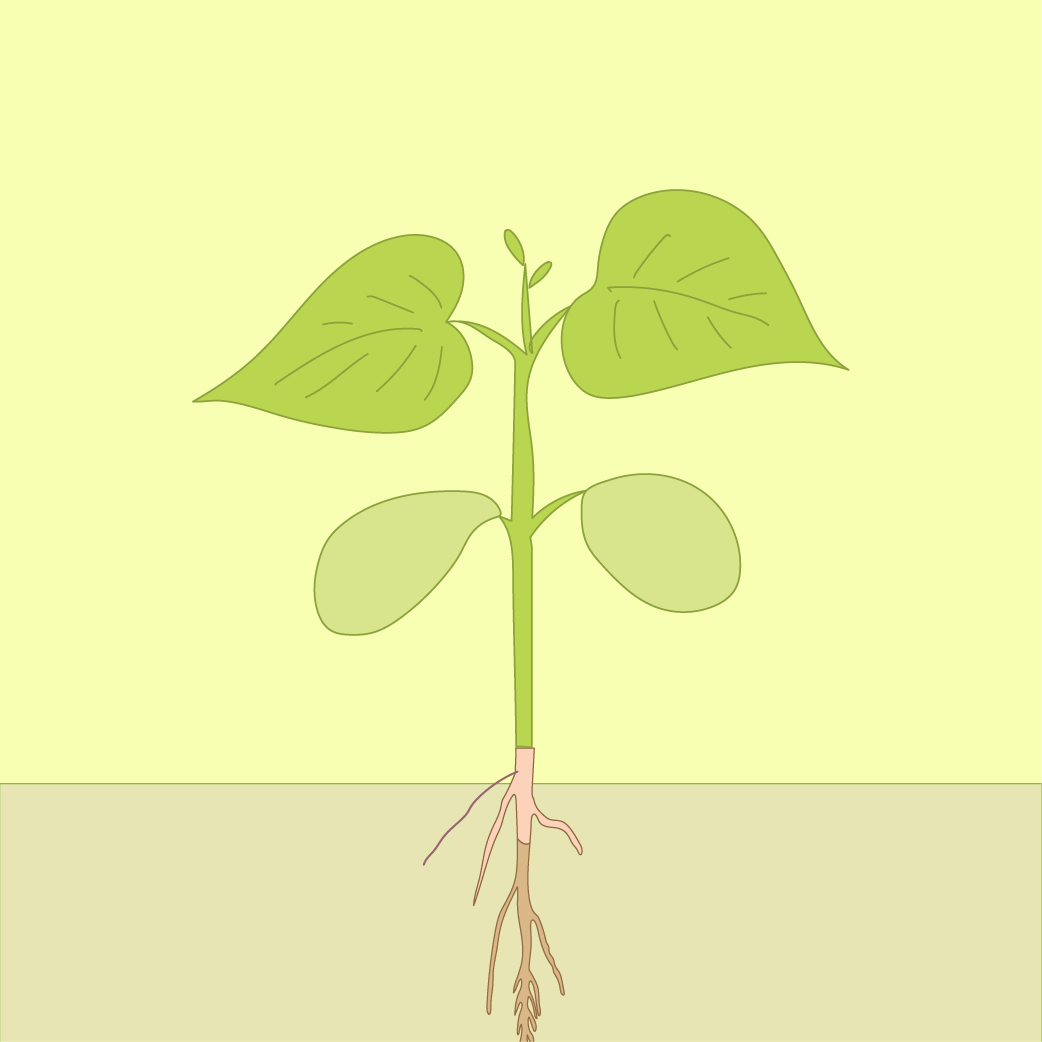
Responding towards stimuli is a vital characteristic of organisms to ensure survival. Plants, like humans and animals, can adapt to changes in their surrounding environment. Typically, plant responses to surrounding stimuli are known as growth responses. These responses are classified into two main categories: tropism responses and nastic responses.
Learning Objectives
- State the definition and characteristics of tropism responses.
- Identify and describe the five types of tropism: thigmotropism, geotropism, hydrotropism, phototropism, and chemotropism.
- State the definition and characteristics of nastic responses.
- Identify and describe the five types of nastic responses: photonasty, seismonasty, nyctinasty, thermonasty, and thigmonasty.
- Compare and contrast tropism responses and nastic responses based on directionality, speed, growth involvement, and reversibility.
Comparison Mind Map: Tropism vs. Nastic Responses
Plants respond to stimuli through two main categories. Compare their direction, speed, growth involvement and examples.
- Direction depends on the direction of the stimulus.
- Slow and not apparent.
- Permanent growth response influenced by plant hormones.
- Positive tropism: growth towards the stimulus.
- Negative tropism: growth away from the stimulus.
- Direction is not determined by the direction of the stimulus.
- Quicker and more apparent than tropism.
- Not all nastic responses are growth responses.
- Often reversible.
- Some nastic responses are intended for survival.
Short Explanation
What is a tropism response?
Tropism is the response of certain parts of a plant, such as roots and shoots, that respond by growing towards or away from a stimulus. The word originates from the Greek word tropos, which means "a turning".
What is a nastic response?
Nastic response is a plant response towards stimuli where the direction of the response is not determined by the direction of the stimulus.
Characteristics of Tropism
The response is permanent and influenced by plant hormones. It is slow and not apparent. The response direction depends on the direction of the stimulus. Positive tropism is growth towards the stimulus, while negative tropism is growth away from the stimulus.
Characteristics of Nastic Responses
Not all nastic responses are growth responses. This response is quicker and more apparent compared to tropism responses. Some nastic responses are intended for survival.
Five Types of Tropism
Thigmotropism responds to touch. Geotropism responds to gravity. Hydrotropism responds to water. Phototropism responds to light. Chemotropism responds to chemicals.
Five Types of Nastic Responses
Photonasty responds to light. Seismonasty responds to mechanical stimulus. Nyctinasty responds to darkness rhythm. Thermonasty responds to temperature. Thigmonasty responds to vibration.
Try to Answer First
Answer in your mind, then press "Check Answer".
What is the main difference between positive tropism and negative tropism?
Why do plant tendrils coil around a wooden stake?
What type of response is shown when a Venus flytrap shuts its leaves upon trapping an insect?
Common Mistakes
- Confusing thigmotropism with thigmonasty: tendrils coiling around a stake is positive thigmotropism, while a Venus flytrap closing due to vibration is thigmonasty.
- Assuming that all plant responses are growth responses. Tropisms are growth responses, but nastic movements are typically turgor-driven, reversible, and not necessarily growth responses.
- Stating that roots show negative phototropism or negative geotropism incorrectly. Shoots exhibit negative geotropism and positive phototropism, while roots exhibit positive geotropism and positive hydrotropism.
Concept Misunderstandings
The mimosa plant folding its leaves when touched is an example of thigmotropism.
Folding of mimosa leaves is seismonasty, a nastic response to mechanical touch, shock, wind or raindrops. It is rapid, reversible, and does not involve directional growth.
Nastic movements occur in the direction that light or heat comes from.
Nastic responses are non-directional; their movement or opening/closing mechanism occurs independently of the direction from which the stimulus comes.
Summary
- Plant responses ensure survival and adaptation through tropisms and nastic responses.
- Tropism is directional, slow, permanent, and mediated by hormones. Types include phototropism, geotropism, hydrotropism, chemotropism, and thigmotropism.
- Nastic response is non-directional, quick, often reversible, and not necessarily linked to growth. Types include photonasty, seismonasty, nyctinasty, thermonasty, and thigmonasty.
Short Activity
Objective: identify types of plant responses and compare tropism with nastic responses.
A. Objective Quiz
Which of the following responses is an example of positive phototropism?
Which statement correctly describes a characteristic of nastic responses?
B. Fill in the Blanks
A circadian rhythm in legume plants that responds towards the onset of darkness is known as .
Plant roots grow away from chemical poisons, demonstrating negative .
C. Matching / Drag and Drop
Match each plant response to its correct description or example. On a phone, tap a choice first, then tap the matching box. Tap the Answer Choices area to return a selected item.
C. Match the Plant Response to Its Example
Write the correct plant response next to each example.
| Example / Description | Plant Response |
|---|---|
| 1. Mimosa leaves fold upon being touched or exposed to mechanical shock | |
| 2. Tendrils coiling around a wooden stake for support | |
| 3. Tulips opening when temperature increases and closing when temperature drops | |
| 4. Roots growing towards a water source |
Answer choices: Seismonasty • Positive thigmotropism • Thermonasty • Positive hydrotropism

