
6.3 Meiosis
Meiosis is a specialised process of cell division occurring in reproductive organs to produce haploid gametes containing half the chromosome number of diploid parent cells. In animals and humans, it takes place in the testis for males and ovary for females. Meiosis ensures that the diploid chromosome number is maintained across generations during sexual reproduction and generates genetic variation among individuals of the same species.
Learning Objectives
- Define meiosis and state the reproductive organs where it takes place.
- Explain the necessity of meiosis in maintaining diploid chromosome numbers and producing genetic variation.
- Identify and describe the stages of Meiosis I: Prophase I, Metaphase I, Anaphase I, and Telophase I.
- Identify and describe the stages of Meiosis II: Prophase II, Metaphase II, Anaphase II, and Telophase II.
- Explain the process and significance of crossing over between non-identical chromatids at chiasma during Prophase I.
- State the differences between Meiosis I and Meiosis II.
Stages and Events of Meiosis I and Meiosis II
Meiosis reduces the chromosome number by half through two successive cell divisions. Meiosis I separates homologous chromosomes, while Meiosis II separates sister chromatids.
Meiosis I
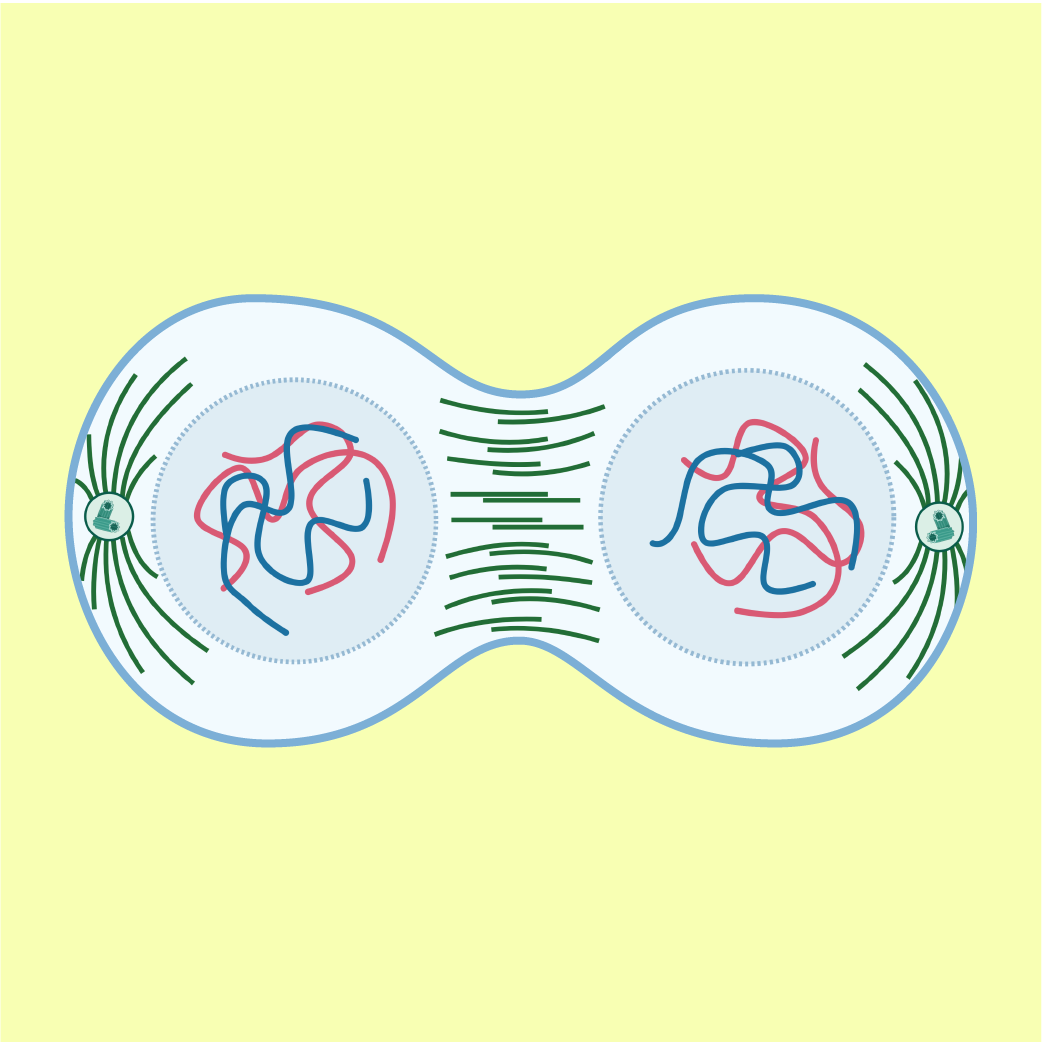
Homologous chromosomes pair as bivalents, cross over at chiasmata, then separate to opposite poles. Two haploid daughter cells form.
Meiosis II
Individual chromosomes align, centromeres divide, and sister chromatids separate. Four genetically distinct haploid gametes form.
Short Explanation
Definition and Location
Meiosis is a cell division process occurring in reproductive organs to produce gametes that contain half the number of chromosomes (haploid, \(n\)) of the parent cells (diploid, \(2n\)). It occurs in the testis in males and the ovary in females for humans and animals.
The Need for Meiosis
Gametogenesis produces gametes for sexual reproduction. Meiosis maintains the diploid chromosome number across generations after fertilisation and produces genetic variation within the same species.
Meiosis I
Meiosis I separates homologous chromosomes. During Prophase I, synapsis forms bivalents, crossing over occurs at chiasmata, and Anaphase I reduces the chromosome number from diploid to haploid.
Meiosis II
Meiosis II separates sister chromatids, similar to mitosis. No DNA replication occurs between Meiosis I and Meiosis II.
Crossing Over
During Prophase I, crossing over occurs between non-identical chromatids at the chiasma, producing new combinations of genes.
Try to Answer First
Answer in your mind, then press “Check Answer”.
What is the most obvious difference between Anaphase I and Anaphase II?
Explain how Meiosis I reduces the chromosome number in daughter cells.
What is the term for the crossing over site between non-identical chromatids, and in which phase does it take place?
Common Mistakes
- Confusing the separation events: thinking sister chromatids separate during Anaphase I. Homologous chromosomes separate in Anaphase I; sister chromatids separate in Anaphase II.
- Stating that DNA replicates between Meiosis I and Meiosis II. Interphase before Meiosis II is short and DNA does not replicate.
- Assuming crossing over occurs between sister chromatids of the same chromosome. It occurs between non-identical chromatids of homologous chromosomes.
- Forgetting that the cells resulting from Telophase I are already haploid.
Concept Misunderstandings
Meiosis produces identical clone cells like mitosis.
Meiosis produces four genetically diverse haploid daughter cells due to crossing over in Prophase I and the random arrangement and separation of chromosomes.
A bivalent and a single chromosome are the same thing.
A bivalent (or tetrad) consists of a pair of homologous chromosomes aligned together, comprising four chromatids.
Centromeres divide in both Anaphase I and Anaphase II.
Centromeres do not divide in Anaphase I; they only divide during Anaphase II.
Summary
- Meiosis occurs in reproductive organs (testis and ovary) to form haploid gametes through gametogenesis.
- It maintains the diploid chromosome number across generations and generates genetic variation.
- Meiosis I: Prophase I — synapsis forms bivalents/tetrads; crossing over at chiasmata exchanges genetic material. Metaphase I — homologous pairs align at the equatorial plane. Anaphase I — homologous chromosomes separate to opposite poles; centromeres remain intact. Telophase I & Cytokinesis — produces two haploid daughter cells.
- Meiosis II: Prophase II — spindles form in both haploid cells. Metaphase II — chromosomes align randomly at the equatorial plane. Anaphase II — centromeres split; sister chromatids separate to opposite poles. Telophase II & Cytokinesis — produces four genetically distinct haploid gametes.
Short Activity
Objective: identify the stages of meiosis, their events, and the significance of crossing over.
A. Objective Quiz
Which of the following events takes place during Prophase I of meiosis?
What is the genetic status and number of daughter cells produced at the end of Telophase II and cytokinesis?
B. Fill in the Blanks
The pairing of homologous chromosomes during Prophase I is called , which forms a bivalent or tetrad.
During Anaphase I, the spindle fibres contract and pull chromosomes apart to opposite poles.
C. Matching / Drag and Drop
Match each stage of meiosis to its correct event. On a phone, tap a choice first, then tap the matching box. Tap the Answer Choices area to return a selected item.
C. Match the Stage of Meiosis to Its Key Event
Write the correct stage of meiosis next to each key event.
| Key Event | Stage of Meiosis |
|---|---|
| 1. Crossing over occurs between non-identical chromatids at the chiasma. | |
| 2. Homologous chromosome pairs align together at the equatorial plane. | |
| 3. Centromeres divide and sister chromatids separate to opposite poles. | |
| 4. Cytokinesis concludes to form four genetically non-identical haploid cells. |
Answer choices: Prophase I • Metaphase I • Anaphase II • Telophase II

