In this chapter, we will be learning about the human body.
We will start by understanding the breathing process.
We will identify the organs involved in breathing and learn how air passes through them and how gases are exchanged in the lungs.
We will observe this process using different media.
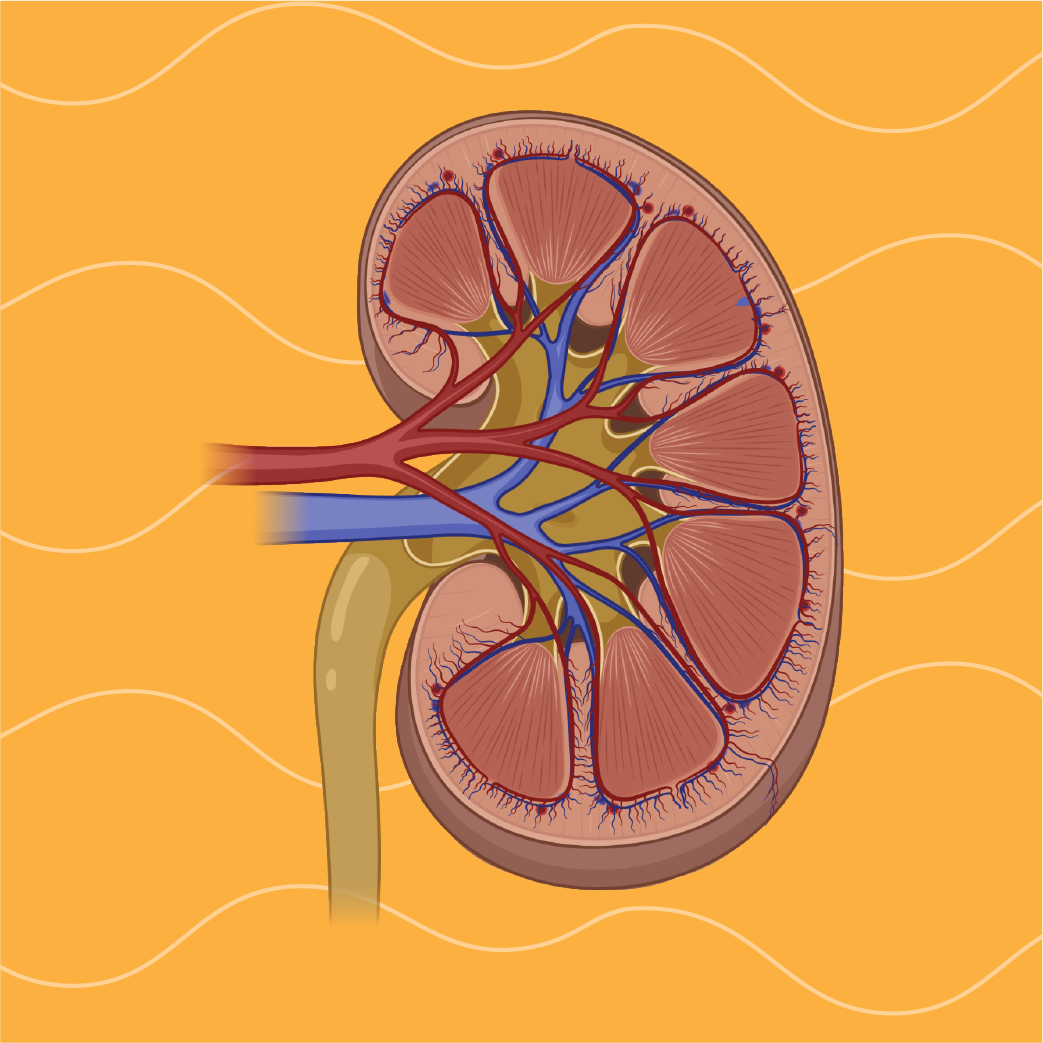
Next, we will learn about excretion and defecation.
We will understand what these terms mean and identify the organs and products of excretion.
Lastly, we will explore how humans respond to stimuli.
We will learn that our sensory organs receive stimuli and how we respond to them in our daily lives.
We will also discuss examples of how humans respond to different stimuli.
• Identify the organs involved in the breathing process
• Describe the breathing process in terms of air passage and exchange of gases in the lungs through observation by using various media
• Differentiate the content of oxygen and carbon dioxide during inhalation and exhalation
• Describe the chest movement during inhalation and exhalation by carrying out activities
• Make generalisation that the rate of breathing depends on the types of activities carried out
• Explain the observations on human breathing through written or verbal forms, sketches or ICT in a creative way
• State the meaning of excretion and defecation
• Identify the organs and products of excretion
• Make inferences on the importance to rid products of excretion and defecation
• Explain the observations on human excretion and defecation through written or verbal forms, sketches or ICT in a creative way
• State that humans respond when the sensory organs receive stimuli
• Explain with examples humans respond to stimuli in daily life
• Make inferences on the importance of human response to stimuli
• Explain habits that disrupt the process of human response to stimuli
• Explain the observations on human response to stimuli through written or verbal forms, sketches or ICT in a creative way

There is no chapter or topic to show