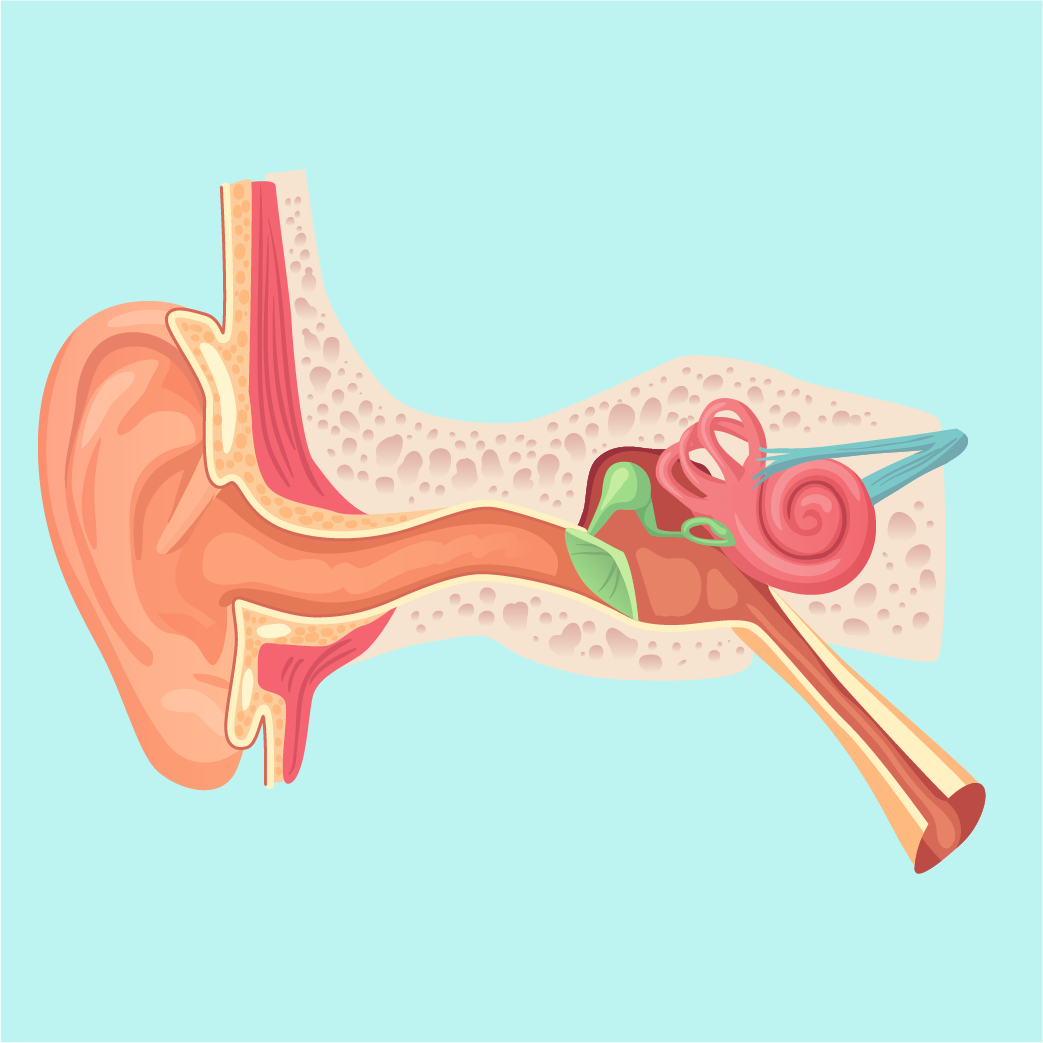
In this chapter, we will be learning about stimuli and responses. We will start by studying the human nervous system, understanding its structures and functions through drawings.
We will also learn about the pathway of impulses in voluntary and involuntary actions. Moving on, we will explore stimuli and responses in humans, drawing the structures of sensory organs and explaining their functions and sensitivities towards stimuli. We will also study the mechanism of hearing and sight through drawings.
Next, we will delve into stimuli and responses in plants, describing the parts of a plant that are sensitive towards stimuli. We will also learn how these responses ensure the sustainability and survival of plants.
Lastly, we will discuss the importance of responses to stimuli in animals. We will explain the types of sight and hearing in animals using examples and understand how sensory organs ensure the survival of animals on Earth.
• Describe the structures and functions of human nervous system through drawings
• Make a sequence to show the pathway of impulses in voluntary and involuntary actions
• Justify the importance of human nervous system in life
• Draw the structures of sensory organs and explain their functions and sensitivities towards stimuli
• Explain the mechanism of hearing and sight through drawings
• Relate the human sensory organs to the sensitivity towards various combination of stimuli
• Explain through examples how the limitation of senses, defect in sensory organs and aging affect human hearing and sight
• Justify how innovations and technologies can improve the ability to sense in sensory organs
• Describe the parts of a plant that are sensitive towards stimuli
• Justify how responses in plants ensure their sustainability and survival
• Carry out experiments to study responses in plants towards various stimuli
• Explain with examples the types of sight and hearing in animals
• Communicate how sensory organs ensure the survival of animals on Earth

There is no chapter or topic to show