

PRONOUN |
||||||||||||||||||
| Pronoun is a word that takes the place of a noun. | ||||||||||||||||||
|
||||||||||||||||||
| The words I, You, He, She, It, We and They are personal pronouns. | ||||||||||||||||||
|
a. She Definition: Refers to a girl, a woman or a female animal. For example: - This is Salmah. She is a girl. |
||||||||||||||||||
|
b. He Definition: Refers to a boy, a man or male animal. For example: - This is Syafiq. He is a boy. |
||||||||||||||||||
|
c. You Definition: Refers to one person or many people you are speaking to. For example: - You are tall. |
||||||||||||||||||
|
d. It Definition: Refers to an object, a plant, a place or an animal. For example: - This is a ball. It is round. |
||||||||||||||||||
|
e. I Definition: Refers to the person speaking or writing. For example: - I am jumping. |
||||||||||||||||||
|
f. We Definition: Refers to a group including the speaker and at least one other person. For example: - We are going on a trip. |
||||||||||||||||||
|
g. They Definition: Refers to people, animals, or things already mentioned or, more generally, to a group of people not clearly described. For example: - They are a group of singers. |
||||||||||||||||||
|
||||||||||||||||||
| Possessive adjectives and possessive pronouns are also known as possessive case. | ||||||||||||||||||
| The word my, your, our, their, her, his and its are possessive adjectives. | ||||||||||||||||||
| The words mine, his, hers, yours, ours and theirs are possessive pronouns. | ||||||||||||||||||
|
a. Personal Pronouns i. I For example: - I have a book.
ii. He For example: - He has a pen.
iii. She For example: - She has a car.
iv. You For example: - You have a kite.
v. We For example: - We have a laptop.
vi. They For example: - They have robots. |
||||||||||||||||||
|
b. Possessive Adjectives i. My For example: - That is my book.
ii. His For example: - That is his pen.
iii. Her For example: - That is her car.
iv. Your For example: - That is your kite.
v. Our For example: - That is our laptop.
vi: Their For example: - That is their robots. |
||||||||||||||||||
|
c. Possessive Pronouns i. Mine For example: - The book is mine.
ii. His For example: - The pen is his.
iii. Hers For example: - The car is hers.
iv. Yours For example: - The kite is yours.
v. Ours For example: - The laptop is ours.
vi. Theirs For example: - The robots are theirs. |
||||||||||||||||||
|
Apostrophe ( ’s ) shows possession. For example: - Joshua’s computer is new. - Angelina’s shoes are beautiful. |
||||||||||||||||||
|
||||||||||||||||||
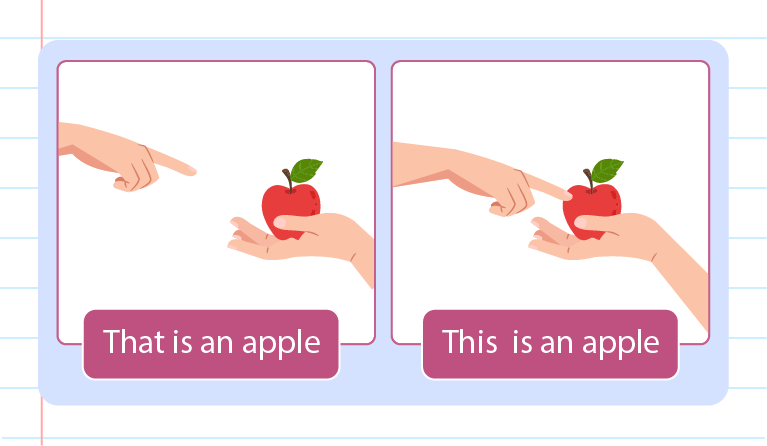
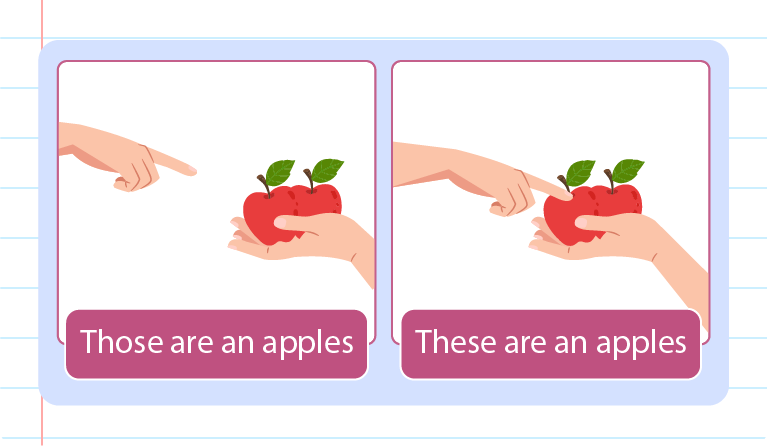
| Demonstrative pronouns are pronouns that point to specific objects. They take the place of a noun, noun phrase, activity, or situation. They always consist of this, these, that, those, and sometimes include none, neither, and such. | ||||||||||||||||||
|
SINGULAR
|
||||||||||||||||||
|
a. This: A person, place, thing that is close by or near. (Singular) Other example: This is where he works. |
||||||||||||||||||
|
b. That: A person, place, thing that is at a distance or far. (Singular) Other example: That is an aeroplane. |
||||||||||||||||||
|
PLURAL
|
||||||||||||||||||
|
a. These: People, places, things that are close by or near. (Plural) Other example: These are rolling pins. |
||||||||||||||||||
|
b. Those: People, places, things that are at a distance or far. (Plural) Other example: Those are hot air balloons. |
||||||||||||||||||
|
||||||||||||||||||
| We use question words to ask certain types of questions. | ||||||||||||||||||
|
a. What i. Asking for information about something. - What is your name? ii. Asking for repetition or confirmation. - What? I cannot hear you. - You did what? |
||||||||||||||||||
|
b. Who Asking what or which person or people (subject). - Who opened the door? |
||||||||||||||||||
|
c. When Asking about time. - When did he leave? |
||||||||||||||||||
|
d. Where Asking in or at what place or position. - Where do they live? |
||||||||||||||||||
|
e. Which Asking about choice. - Which colour do you want? |
||||||||||||||||||
|
f. Why Asking for reason, asking what...for. - Why do you say that? |
||||||||||||||||||
|
g. Whom Used as the object of a verb or after a preposition when referring to a particular person or when adding information about a person just mentioned. - He took out a photo of his son, whom he adores.
|
||||||||||||||||||
|
h. Whose Asking about ownership. - Whose are these keys? - Whose turn is it? |
||||||||||||||||||
|
i. How i. Asking about manner. - How does this work? ii. Asking about condition or quality. - How was your exam? |
||||||||||||||||||
| EXTRA NOTES | ||||||||||||||||||
|
How + adjective / adverb: Asking about extent or degree. i. How far: Distance. - How far is Pattaya from Bangkok? ii. How long: Length (time or space). - How long will it take? iii. How many: Quantity (countable). - How many cars are there? iv. How much: Quantity (uncountable). - How much money do you have? v. How old: Age. - How old are you? vi. How come: (Informal) asking for reason, asking why. - How come I can't see her? |
||||||||||||||||||
|
||||||||||||||||||
| A reflexive pronoun is used when we refer back to the subject of the sentence. | ||||||||||||||||||
|
Reflexive pronouns end in '-self' (singular) or '-selves' (plural). For example: - Yoona volunteers herself to help the children with disabilities. - They were sitting around the fire and trying to keep themselves warm. |
||||||||||||||||||
|
||||||||||||||||||
Pronoun
Report this Note
Print this note

