
| 2.3 | The Health of the Human Respiratory System |
| Definition |
|
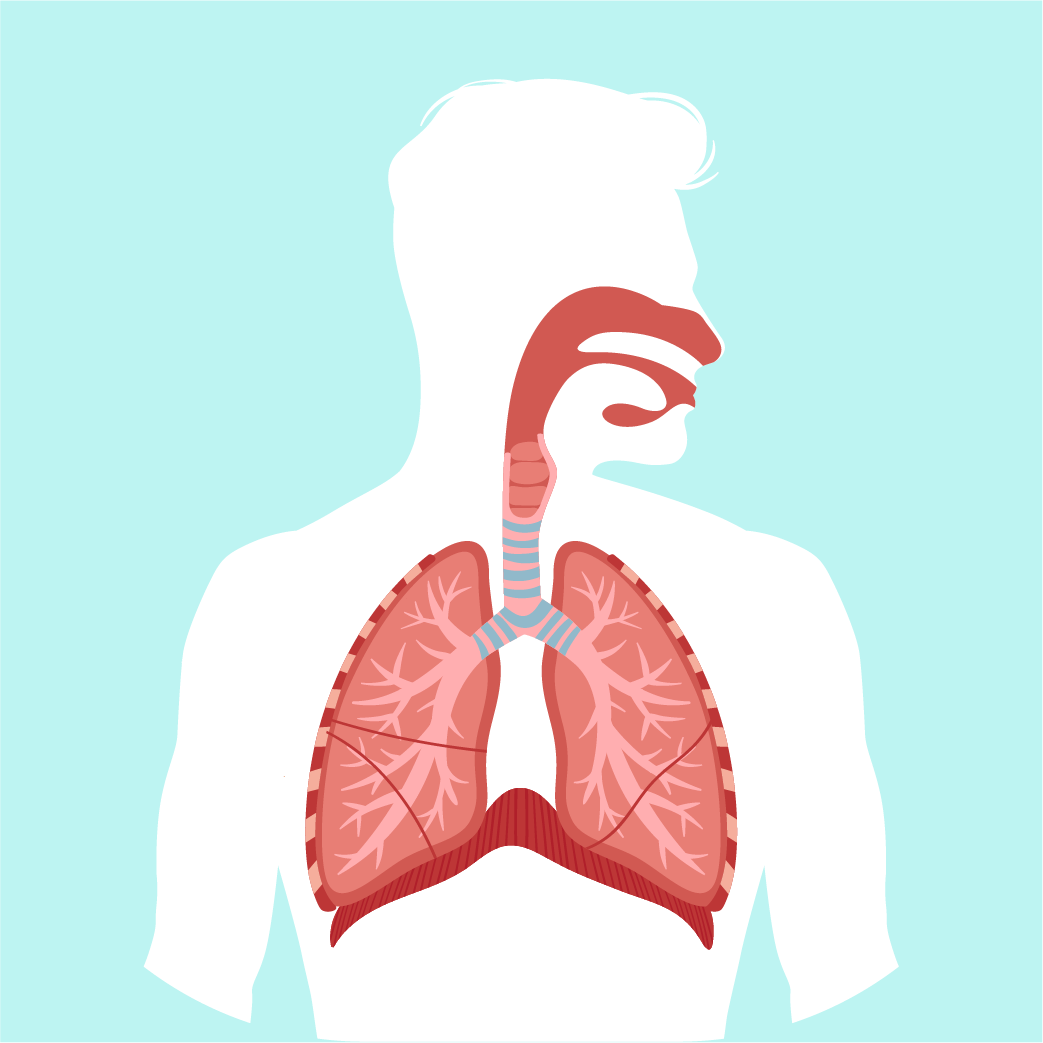
There are various substances in the air that can cause damage to the human respiratory system |
The diseases of the human respiratory system:
|
Disease and cause |
Effect |
Symptom |
|
Emphysema - Cigarette smoke - Exposed to chemicals - Dust |
- The cell wall of the alveoli is damaged - The surface area of the alveoli is reduced - Gas exchange is less efficient |
Difficulty breathing |
|
Bronchitis Infection by viruses or bacteria |
Inflamed bronchial tubes with abundant mucus production |
- Persistent cough - Difficulty breathing - Pain in the chest - Sore throat |
|
Lung cancer - Cigarette smoke - Exposed to asbestos - Exposure to carcinogens (cancer-causing) |
- Uncontrolled cell division - Spreads to every organ of the body such as the liver and bones |
- Persistent cough - Difficulty breathing - Coughing blood |
|
Asthma Substances that cause allergies such as dust and pollen |
- The bronchial tubes become inflamed, swollen and narrow - It is difficult for air to enter and exit through the lungs |
- Cough - Difficulty breathing |
The hazardous substances and effects on the respiratory system:
|
Hazardous substances in polluted air |
Effects on the respiratory system |
|
Sulphur dioxide |
Irritates the throat and damages lung tissue |
|
Nitrogen dioxide |
Irritates the throat and causes difficulty breathing |
|
Dust |
Settled on the alveoli and respiratory tract, causing difficulty breathing |
|
Carbon monoxide |
Competing with oxygen to combine with hemoglobin results in less oxygen content in the blood |
|
Bacteria and viruses |
Causes colds, coughs and pneumonia |
|
Asbestos |
Asbestos fumes are carcinogenic substances that cause lung cancer |
|
Pollen |
Stimulates the respiratory tract of asthmatics and can cause asthma attacks |
|
Cigarette smoke |
Tar is a carcinogenic substance that causes lung cancer |
