

4.1
Sexual and Asexual Reproduction
| 4.1 | Sexual and Asexual Reproduction |
| Definition |
| Reproduction is the process of producing new individuals from living organisms. |
|
|
||||||||
| Sexual Reproduction |
|
||||||||
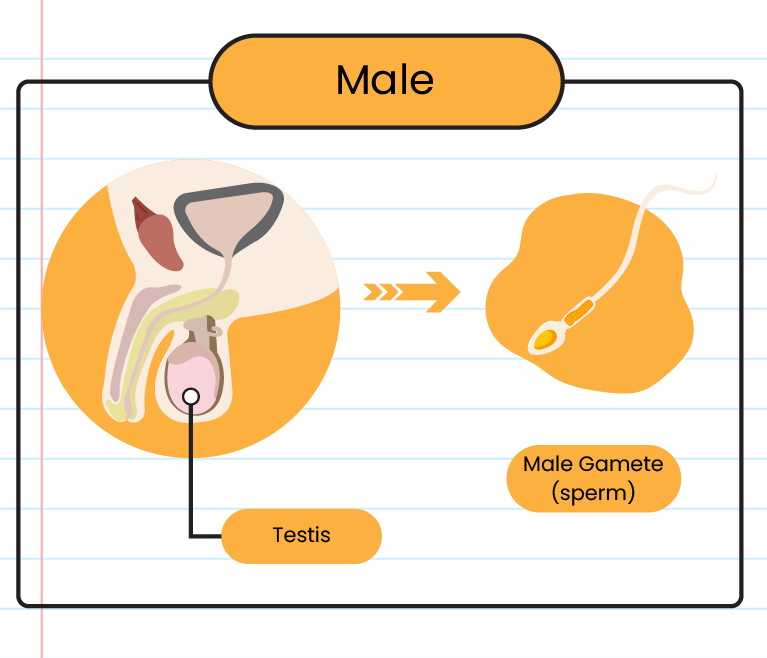
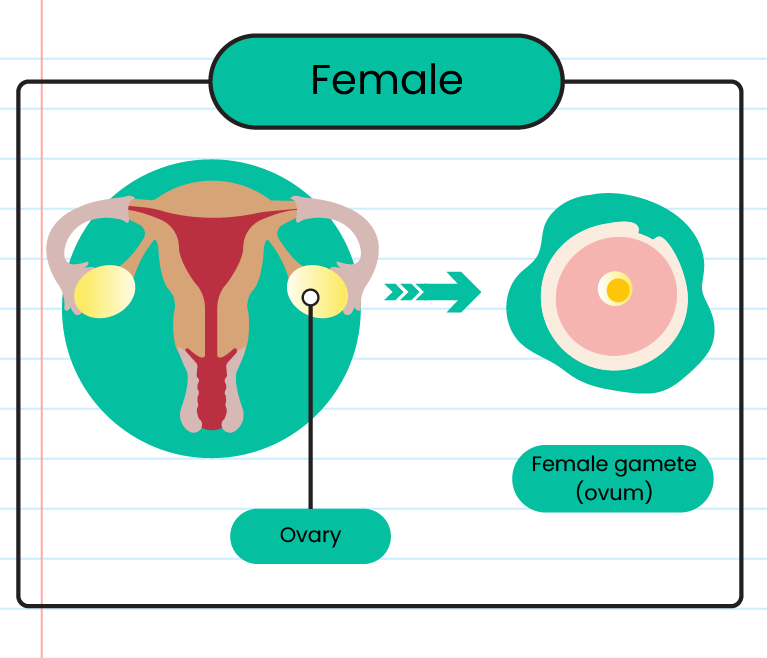
|
||||||||||
Asexual Reproduction
| Binary fusion |
| Binary fission is the division of a single parent cell into two daughter cells. |
| Example: Amoeba, Paramecium and bacteria |
| Budding |
|
| Example: Hydra and yeast |
| Regeneration |
| Occurs from the ability of the fragments of some organisms to grow and develop into completely new indiciduals. |
| Examples: Flatworm, starfish and Planaria |
| Spore formation |
|
| Vegetative reproduction | ||||||
|
||||||
| Examples: Carrot, strawberry, ginger, yam and potatoes | ||||||
|
There are three types of vegetative reproduction:
|
The importance of reproduction:
- Increase the number of organisms of a species
- Transfers the genetic information to the new generation

