
5.4Medicines and Cosmetics
Medicines and cosmetics are chemical products used widely in daily life to safeguard health, treat illnesses, and maintain personal hygiene and appearance.
Learning Objectives
- Explain with examples the types of medicine, their functions, and their side effects.
- Justify the proper usage of medicines and understand the consequences of misuse or abuse.
- Explain cosmetics with examples of their basic ingredients and types.
- Justify the usage of cosmetics by comparing homemade and commercial cosmetics, including identifying harmful chemicals.
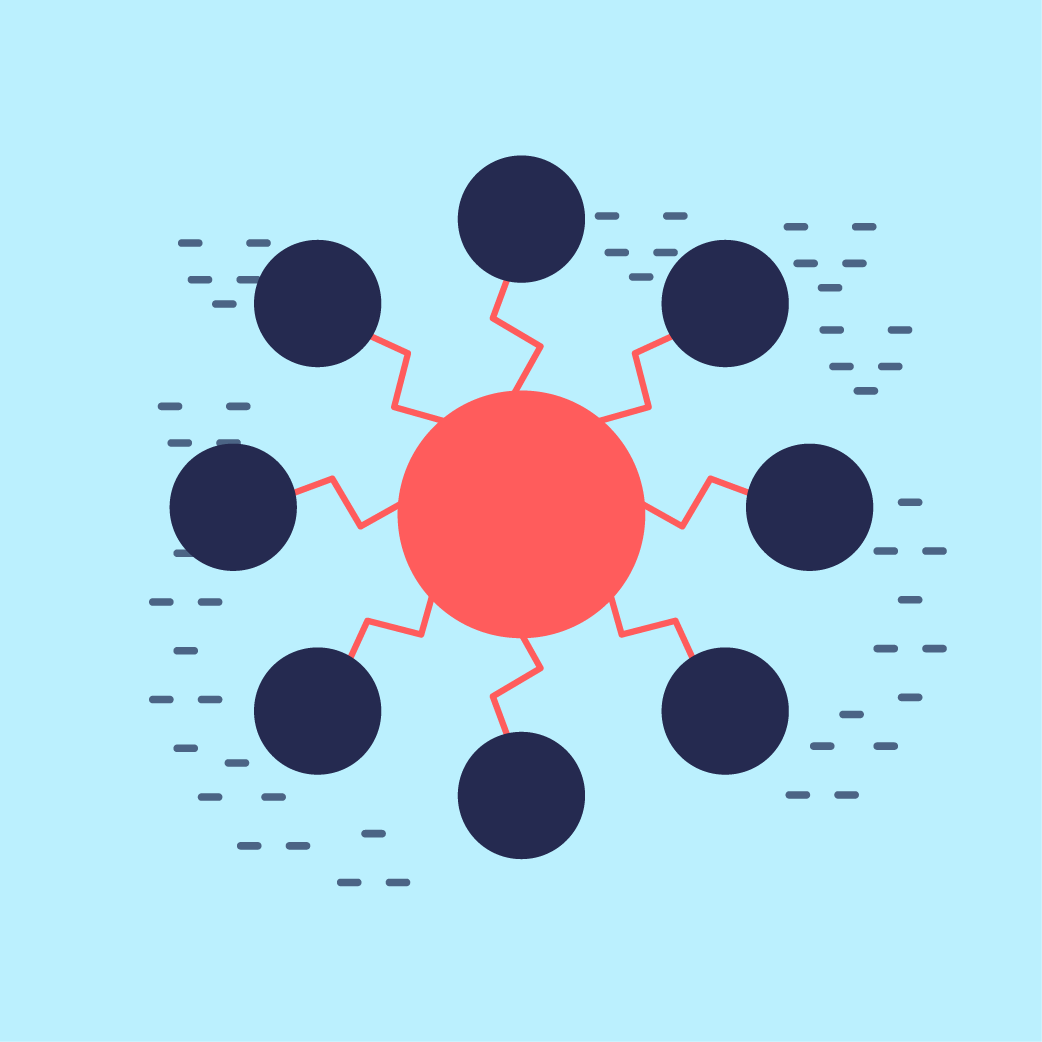
Summary Map of Modern Medicines and Cosmetic Ingredients
A side-by-side comparison of the five types of modern medicines and the seven basic cosmetic ingredients.
Modern Medicines
Analgesics — relieve pain while conscious.
Antimicrobials — kill or retard pathogens.
Psychotic drugs — manage psychosis symptoms.
Anti-allergies — relieve runny nose and itchiness.
Corticosteroids — reduce inflammation and swelling.
Cosmetic Ingredients
Dyes — give colour.
Water — acts as a solvent.
Preservatives — prevent spoiling.
Emulsifiers — mix oil and water.
Moisturisers — retain moisture.
Thickeners — thicken formulations.
Fragrances — provide pleasant scents.
Brief Explanation
Understand the key ideas about medicines and cosmetics.
Traditional Medicines
Obtained directly from herbal plants or animals and are not chemically processed. Examples include ginger, ginseng, aloe vera and tamarind.
Modern Medicines
Developed rapidly through technologies such as biotechnology, nanotechnology and genetic engineering. They are derived from plants, microorganisms or synthetic chemicals and are available as pills, capsules, powders and liquids.
| Type of modern medicine | Examples | Functions | Side effects / precautions |
|---|---|---|---|
| Analgesics | Aspirin, paracetamol, codeine | Relieve pain in a conscious state; codeine also alleviates coughs and treats diarrhoea. | Aspirin is acidic and can cause stomach ulcers; paracetamol overdose causes liver damage; codeine causes drowsiness. |
| Antimicrobials | Penicillin, streptomycin, hydrogen peroxide, iodine, boric acid, alcohol, formaldehyde | Antibiotics kill or retard bacterial growth; antiseptics kill pathogens on skin; disinfectants destroy pathogens on non-living objects. | Antibiotics must be fully consumed; penicillin allergy can be fatal; antiseptics must never be ingested. |
| Psychotic drugs | Haloperidol, chlorpromazine, clozapine | Treat psychosis, a symptom of mental illness causing patients to see, hear or believe things that are not real. | Can cause abnormal involuntary facial and body movements, stiffness and shakes. |
| Anti-allergies | Antihistamines | Relieve runny nose and itchiness. | Cause drowsiness; high dosages may cause dry mouth, blurred vision and constipation. |
| Corticosteroids | Betamethasone valerate, prednisolone | Relieve inflamed areas; reduce swelling, redness, itchiness, allergic reactions, asthma and arthritis. | Long-term intake causes moon face, high blood pressure and increased blood sugar levels. |
Cosmetics
Cosmetics are materials or products used externally to cleanse, protect or enhance one's appearance. They are governed in Malaysia by the Control of Drugs and Cosmetics Regulations 1984.
Types of Cosmetics
Makeup cosmetics — beautify the face, such as facial powders, lipsticks, eyeshadows, eyeliners and mascara.
Treatment cosmetics — treat the body, such as creams, skin moisturisers and facial masks.
Fragrances — provide pleasant scents, such as deodorants and perfumes.
Try to Answer First
Answer mentally, then check the explanation.
Why must a patient complete the entire course of prescribed antibiotics even after symptoms disappear?
Why is aspirin not recommended for young children or patients suffering from gastric ulcers?
What is the primary function of an emulsifier such as lecithin in cosmetic formulations?
Common Mistakes
Avoid these errors when learning about medicines and cosmetics.
Concept Misunderstandings
Compare each misconception with the correct fact.
Antibiotics and antibodies are the same thing.
Antibiotics are chemical medicines from microorganisms that kill bacteria, while antibodies are proteins produced by the body's immune system.
A placebo is an active medicinal drug.
A placebo contains no active therapeutic chemicals; it only resembles a real medicine.
Glycerin in cosmetics only moisturises.
Glycerin can act as both a moisturiser, retaining moisture, and a thickener, thickening cosmetic products.
Analgesics knock a patient unconscious.
Aspirin and paracetamol relieve pain in a fully conscious state.
Summary
Key facts to remember.
- Medicines treat or prevent disease; traditional medicines come from plants or animals, while modern medicines come from microorganisms, plants or synthesis.
- Modern medicines consist of analgesics, antimicrobials, psychotics, anti-allergies and corticosteroids, each carrying strict usage guidelines and side effects.
- Misuse of drugs leads to resistance, addiction or organ failure.
- Cosmetics are external cleansing and beautifying products composed of water, emulsifiers, thickeners, dyes, moisturisers, preservatives and fragrances.
- Unregulated commercial cosmetics may contain hazardous substances like mercury, hydroquinone and tretinoin, highlighting the importance of regulation by the National Pharmaceutical Regulatory Agency (NPRA).
Quick Activity
Complete all parts before checking your score.
A. Objective Quiz
A patient undergoing long-term treatment develops facial swelling commonly known as "moon face," high blood pressure, and elevated blood sugar levels. Which class of modern medicine is most likely responsible for these side effects?
Which of the following harmful chemicals is illegally added to commercial whitening creams and can damage the kidneys and nervous system if absorbed into the bloodstream?
B. Fill in the Blanks
Substances like alcohol and formaldehyde that destroy pathogens found on non-living surfaces such as floors and drainage systems are known as __________.
The traditional plant Zingiber officinale, commonly known as __________, is used to remove wind from the body and prevent colds.
C. Match the Cosmetic Ingredient with Its Function
Drag each ingredient on desktop. On mobile, tap an ingredient and then tap the matching box.
Answer Choices
Emulsifier (e.g., lecithin) Preservative (e.g., paraben) Moisturiser (e.g., sodium lactate) Dye (e.g., iron(III) oxide)Function in Cosmetics
Keywords
Tap or hover over a term to read its meaning.


