
1.3Usage, Management and Handling of Apparatus and Materials
The chemistry laboratory is an essential place for learning and conducting scientific investigations, but it can also be hazardous. To prevent accidents and injuries, students must strictly observe laboratory safety rules, correctly use personal protective equipment, operate safety apparatus, store and dispose of various categories of chemicals properly, and know how to respond during emergency situations such as chemical and mercury spills.
Learning Objectives
- Explain the types and functions of personal protective equipment and safety equipment in the laboratory.
- Demonstrate methods of managing and handling apparatus and materials, including the storage and disposal of chemicals.
- Communicate about emergency management procedures in the laboratory, specifically for chemical spills and mercury spills.
Laboratory Safety, Storage, and Emergency Procedures
Classify chemical storage and disposal correctly, then follow the emergency steps for spills at a glance.
Storage Categories
- Reactive metals — paraffin oil
- Volatile / inflammable liquids — shady area, away from heat
- Light-sensitive substances — dark bottles
- Corrosive chemicals — locked special cabinets
- Heavy metals / toxic substances — labelled containers in a locked, heat-free room
Disposal Categories
- High-concentration hydrogen peroxide — dilute with water and add sodium sulphite for decomposition before pouring
- Solid wastes — special containers
- Organic solvents — labelled glass or plastic containers
- Strong acids / alkalis — closed, labelled containers
- Heavy metals — evaporate in fume chamber, then waste container
Chemical Spill Steps
- Inform teacher or lab assistant.
- Prohibit others from entering.
- Border the spill with sand.
- Clean the spill.
- Dispose of it correctly.
Mercury Spill Steps
- Inform teacher or lab assistant.
- Make the site a prohibited area.
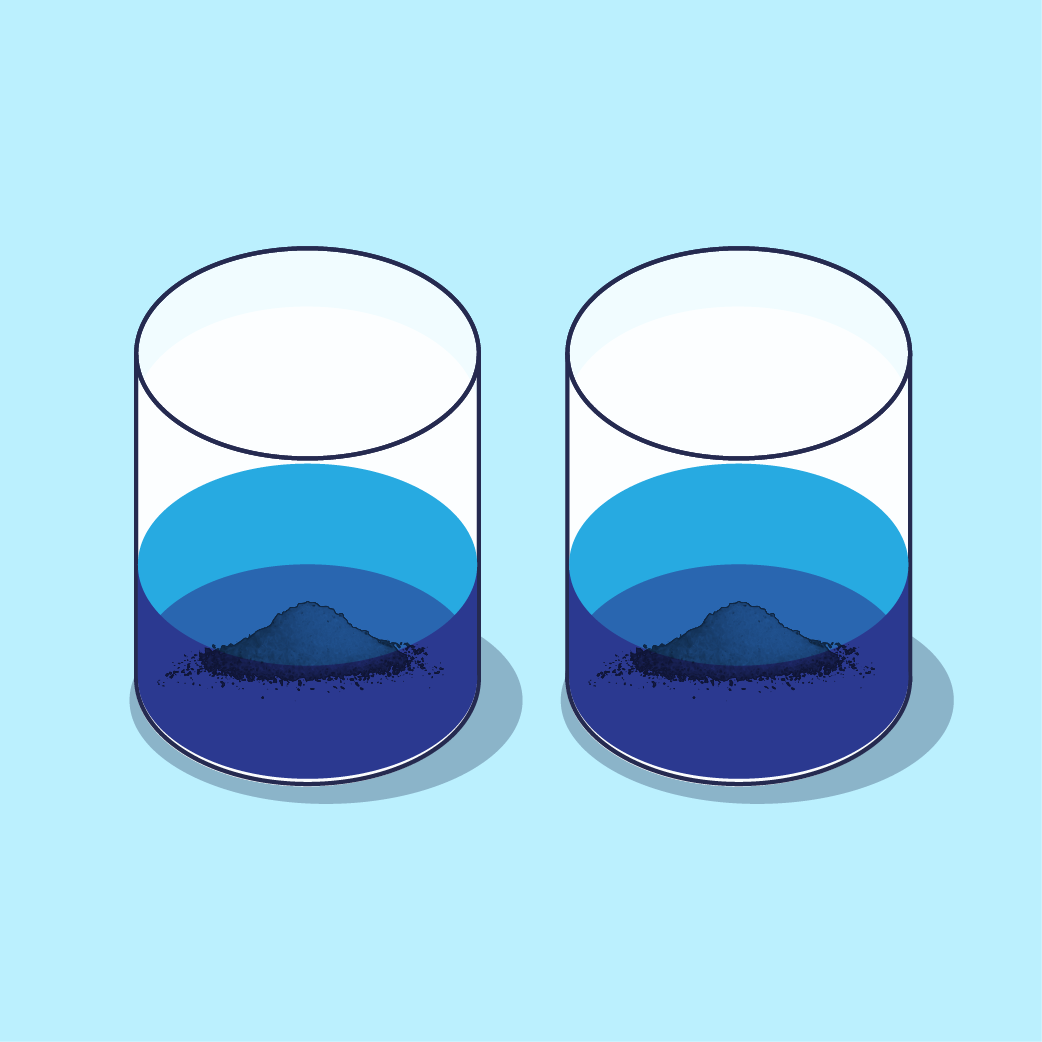
- Sprinkle sulphur powder over the spill.
- Contact the Fire and Rescue Department.
If mercury poisoning is suspected: move away from the mercury source to prevent further exposure and go to the hospital for treatment.
Brief Explanation
Personal protection, safety equipment, storage, disposal and emergency response.
Personal Protective Equipment
- Safety goggles — prevent dust or chemical splashes from entering the eyes.
- Face mask — protect respiratory organs from powder or fumes.
- Gloves — protect hands from injuries, chemicals or infections.
- Laboratory coat — protect body and clothing against chemical spills.
- Laboratory shoes — protect feet from chemical spills, sharp objects or toxic substances.
Laboratory Safety Equipment
- Fume chamber — for experiments releasing toxic vapours, combustion or pungent smells.
- Safety shower — wash the body during a chemical accident and extinguish clothing fires.
- Eyewash — wash and clean the eyes after an accident.
- Fire extinguisher — extinguish fire in the laboratory.
- Hand wash — remove chemicals, oil, dirt and microorganisms from hands.
Using and Handling Apparatus Correctly
Activity 1.5 (p.14) groups apparatus handling into four stations:
- Station 1: Weighing and heating of solids.
- Station 2: Filtration and distillation.
- Station 3: Electrolysis, gas collection and gas testing.
- Station 4: Titration.
| Chemical category | Storage method |
|---|---|
| Reactive metals such as lithium, sodium and potassium | Stored in paraffin oil to prevent reaction with moisture in the air. |
| Hydrocarbons and organic solvents | Stored in shady areas far from sunlight and heat sources. |
| Substances that decompose easily in light | Stored in dark bottles, e.g. concentrated nitric acid, hydrogen peroxide solution, silver nitrate solution, liquid bromine, liquid chlorine. |
| Substances with pH < 5 and pH > 9 | Stored in special locked storage cabinets. |
| Heavy metals and toxic substances | Kept in special labelled containers and stored in a locked room that is heat-free. |
| Chemical waste | Disposal method |
|---|---|
| Low-concentration hydrogen peroxide | Can be poured directly into the sink. |
| High-concentration hydrogen peroxide | Dilute with water and add sodium sulphite for decomposition before pouring into the sink. |
| Solid wastes such as glass and rubber | Dispose into special containers. |
| Organic solvents and hydrocarbons | Keep in special containers made of glass or plastic; never pour into sink or drain. |
| Substances with pH < 5 and pH > 9 | Keep in closed, labelled containers during disposal. |
| Heavy metals and toxic substances | Keep solutions in plastic bags, evaporate in the fume chamber, then place tied residue bags into a heavy metal waste container. |
| Volatile substances | Store in closed containers away from sun and heat to prevent fatal inhalation risks. |
Check Understanding
Answer the questions, then check your answers.
Why must reactive metals such as sodium and potassium be stored in paraffin oil?
What is the function of a fume chamber in the chemistry laboratory?
What substance should be sprinkled over a mercury spill before contacting the Fire and Rescue Department?
Common Mistakes
Avoid these errors when handling chemicals and responding to spills.
Common Misconceptions
Compare each misconception with the correct fact.
All chemical wastes can be washed away with excess water down the laboratory drain.
Many chemicals are toxic, carcinogenic, volatile, or highly corrosive (pH < 5 or pH > 9). Pouring them into sinks can release toxic fumes, damage plumbing, and pollute water supplies.
Broken glass and damaged rubber tubing can be thrown into general classroom trash bins.
Solid wastes such as glass and rubber must be disposed of into special dedicated containers to prevent injuries to users and waste handlers.
Mercury poisoning only happens if you swallow mercury.
Mercury is volatile at room temperature and produces toxic vapour that can be inhaled; it can also be absorbed directly into the body through the skin.
Summary
Key facts to remember.
- Wear personal protective equipment: safety goggles, face mask, gloves, laboratory coat and laboratory shoes.
- Use laboratory safety fixtures: fume chamber, safety shower, eyewash, fire extinguisher and hand wash.
- Follow specific chemical storage protocols: reactive metals in paraffin oil, light-sensitive chemicals in dark bottles, corrosive chemicals in locked cabinets.
- Practise correct disposal: dilute high-concentration hydrogen peroxide with water and add sodium sulphite for decomposition, evaporate heavy metals in fume chambers, and segregate organic solvents and solid wastes.
- Execute immediate emergency response for chemical spills (isolate area, border with sand, clean, dispose) and mercury spills (isolate, cover with sulphur powder, call Fire and Rescue Department).
Quick Activity
Complete all parts before checking your score.
A. Objective Quiz
Which chemical must be stored in a dark bottle to prevent decomposition in the presence of light?
What should be used to border a general chemical spill to stop it from spreading to other areas?
B. Fill in the Blanks
Highly reactive metals such as lithium, sodium, and potassium must be stored in _____ to prevent them from reacting with moisture in the air.
Before pouring high-concentration hydrogen peroxide waste into the sink, it must be diluted with water and added with _____ to allow decomposition to occur.
C. Match the Safety Equipment with Its Function
Drag each equipment on desktop. On mobile, tap an equipment and then tap the matching box.
Equipment
Fume chamber Safety shower Eyewash Fire extinguisherFunction
Keywords
Tap or hover over a term to read its meaning.


