
7.1 Adaptations of Plants
Adaptation is the adjustment of an organism to its environment. Plants possess unique structures in their leaves, stems, and roots that allow them to thrive in specific habitats. Based on their living environments and water availability, plants are classified into four main groups: mesophytes, hydrophytes, halophytes, and xerophytes.
Learning Objectives
- Define plant adaptation and explain its importance for species survival.
- Classify plants based on their habitats into mesophytes, hydrophytes, halophytes, and xerophytes.
- Describe the adaptive features of halophytes in coping with high salinity, low oxygen, and high light intensity.
- Explain the structural adaptations of hydrophytes, including floating and submerged aquatic plants.
- Explain the structural adaptations of xerophytes in overcoming extreme dryness and high temperatures.
Comparison of Structural Adaptations in Halophytes, Hydrophytes, and Xerophytes
Plants adapt structurally to overcome physiological stresses imposed by their habitats. This comparison shows how leaves, stems, and roots are modified in different ecological groups.
Halophytes
Plants adapted to saline, swampy environments with low soil oxygen.
Hydrophytes
Aquatic plants adapted to living submerged or floating on water.
Xerophytes
Plants adapted to hot, dry habitats with minimal water availability.
Short Explanation
Definition
Adaptation — The adjustment of an organism to its environment. Plants possess unique structures in their leaves, stems, and roots that allow them to thrive in specific habitats.
Classification of Plants Based on Habitats
Plants are classified into four main groups based on their living environments and water availability: mesophytes, hydrophytes, halophytes, and xerophytes.
Mesophytes
Plants that live in habitats that are neither too dry nor too wet, with an adequate supply of water. Most plants belong to this group. Examples: mango tree, hibiscus plant, rubber tree.
Hydrophytes
Plants that live in aquatic habitats, either floating on the water surface or submerged completely in water. Examples: lotus, Elodea sp., Hydrilla sp., Eichhornia sp.
Halophytes
Plants that live in swampy habitats at river mouths where fresh water meets seawater, characterized by high salt content and low soil oxygen. Example: mangrove tree.
Xerophytes
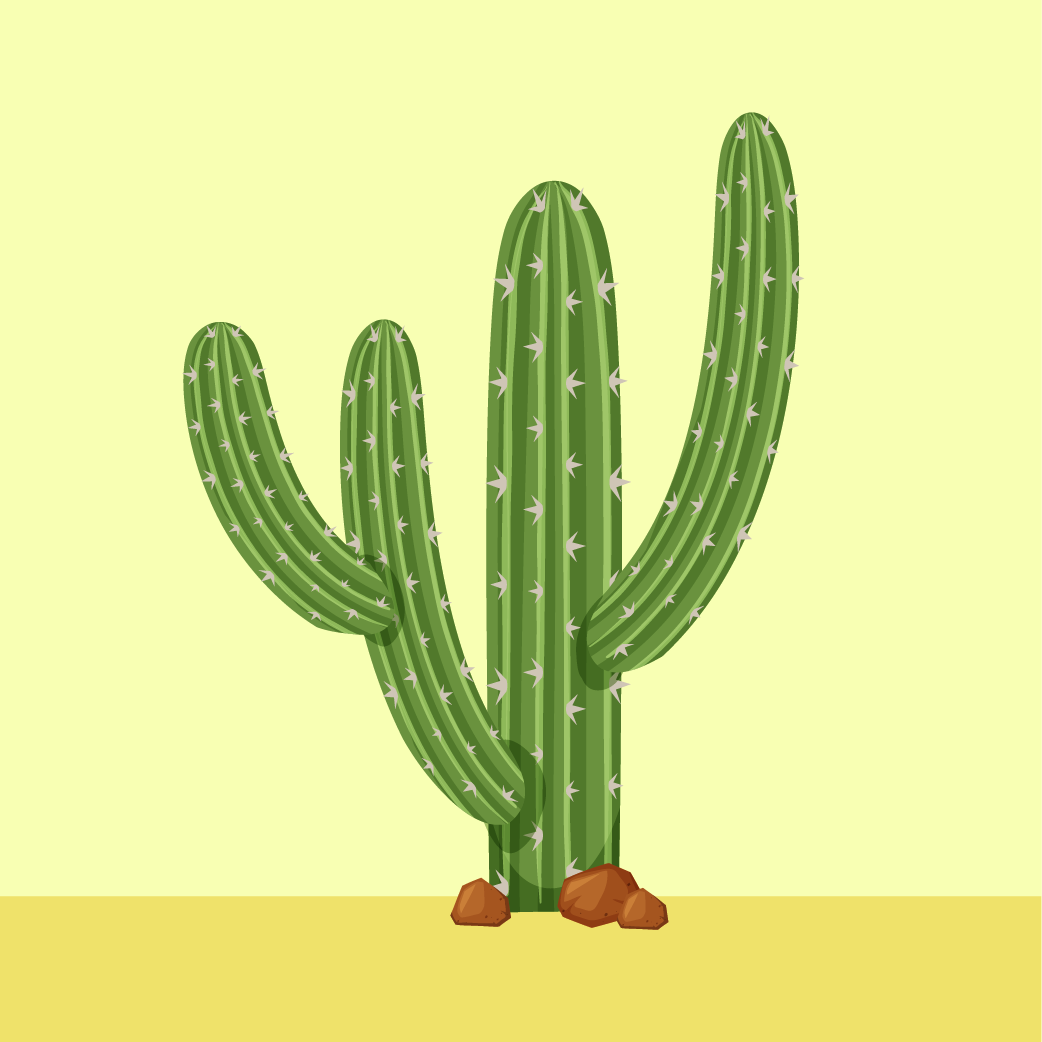
Plants that live in habitats that are hot and dry with a minimum presence of water and very high temperatures, such as deserts. Examples: cactus, date palm. Plants in the Arctic are also classified as xerophytes because they cannot absorb water when the ground is frozen.
Adaptive Features of Halophytes
Halophytes thrive in habitats with high salt concentration, low oxygen levels in muddy soil, and high light intensity. Their leaves have thick cuticles, sunken stomata, succulent tissues, and hydathodes. Their roots form extensive systems with pneumatophores and lenticels, and root cell sap maintains higher salt concentration than seawater.
Adaptive Features of Hydrophytes
Floating plants like lotus have broad, thin leaves with stomata on the upper epidermis and a waxy cuticle. Submerged plants like Elodea sp. have thin, small leaves without stomata or cuticle, and hollow flexible stems. Both types contain aerenchyma tissue for buoyancy and gas transport.
Adaptive Features of Xerophytes
Xerophytes like cactus have deep and wide roots, succulent water-storing tissues, green fleshy stems with thick waxy cuticles, leaves reduced to thorns, and sunken stomata to minimise water loss.
Try to Answer First
Answer in your mind, then press “Check Answer”.
Why are the stomata of floating hydrophytes, such as the lotus, found predominantly on the upper epidermis of the leaf rather than the lower epidermis?
How do pneumatophores assist mangrove trees in surviving waterlogged, muddy soil?
Why are Arctic plants classified as xerophytes despite not living in a desert?
Common Mistakes
- Stating that submerged plants like Elodea sp. have stomata on the underside of their leaves. Submerged plants have no stomata at all because gases diffuse directly through their epidermis.
- Believing that mangrove roots lose water into the sea because seawater has high salt content. In reality, the cell sap of mangrove roots maintains a higher salt concentration than seawater to draw water in by osmosis.
- Assuming that all xerophyte leaves carry out intense photosynthesis. In many xerophytes like the cactus, leaves are reduced into non-photosynthetic thorns to minimize transpiration, while the stem takes over photosynthesis.
Concept Misunderstandings
Aerenchyma tissue is found only in the roots of plants to store food.
Aerenchyma tissue consists of light cells with large air spaces found mainly in the stems and leaves of hydrophytes, functioning primarily to provide buoyancy and aid internal gas transport.
Thorns on cacti only serve as a defence against herbivores.
Thorns are modified leaves that primarily reduce total surface area to curb transpiration, help collect morning dew to channel water to the soil, and secondarily protect against herbivores.
Summary
- Plants are grouped into mesophytes (moderate water), hydrophytes (aquatic), halophytes (saline swamps), and xerophytes (arid or physiologically dry environments).
- Halophytes feature succulent leaves, hydathodes to excrete salt, pneumatophores with lenticels for aeration, and root cell sap with higher salt concentration than seawater.
- Hydrophytes include floating plants (broad leaves, upper stomata, aerenchyma tissue) and submerged plants (thin/small leaves, no stomata, hollow flexible stems).
- Xerophytes possess deep/wide root systems, succulent water-storing tissues, photosynthetic stems, thick waxy cuticles, sunken stomata, and leaves reduced to thorns.
Short Activity
Objective: test your understanding of plant adaptations in different habitats.
A. Objective Quiz
Which of the following adaptations allows mangrove trees to absorb water from seawater without losing water via osmosis?
Which characteristic is correctly paired with submerged aquatic plants such as Elodea sp.?
B. Fill in the Blanks
The breathing roots of mangrove trees that grow vertically upwards above the soil surface to obtain oxygen are called .
Floating aquatic plants contain light stem tissues with large intercellular air spaces called tissues to provide buoyancy.
C. Matching / Drag and Drop
Match each plant classification to its correct habitat description and example. On a phone, tap a choice first, then tap the matching box. Tap the Answer Choices area to return a selected item.
C. Match the Plant Group to Its Habitat and Example
Write the correct plant group next to each habitat description.
| Habitat & Example | Plant Group |
|---|---|
| 1. Swampy river mouth rich in salt content and low in oxygen; e.g., Mangrove tree | |
| 2. Aquatic habitats, either floating on the water surface or submerged; e.g., Lotus | |
| 3. Habitats that are neither too dry nor too wet with adequate water supply; e.g., Rubber tree | |
| 4. Hot and dry habitats with minimum water, or frozen soils; e.g., Cactus |
Answer choices: Halophytes • Hydrophytes • Mesophytes • Xerophytes

